You don't need a complicated spreadsheet. A few simple rules are all it takes to stop second-guessing every purchase.
Once you've covered your taxes and fixed essentials : rent, utilities, groceries, insurance. Whatever is left is your discretionary income. This is the money you have real freedom over. And that freedom is a double-edged sword: it's great to have, but it also means you're the one deciding what to do with it.
Used well, discretionary income can fund the experiences you enjoy, build a buffer for life's surprises, and steadily grow your savings. Used without intention, it tends to quietly disappear before the month is over.
The goal isn't to restrict yourself, it's to spend freely within limits you actually set on purpose.
Why rules make things easier, not harder
You don't need to overhaul your finances or track every coffee. What actually works is simpler: a few personal rules that decide, in advance, where your money goes. This way, you're not making a new decision every time you want to grab dinner or book a weekend away.
The real benefit? You can treat yourself guilt-free. When you know your savings are covered and your bills are handled, spending on fun doesn't feel like a risk, it feels like the plan working.
A simple allocation framework
Here's one way to split your discretionary income. Adjust the percentages to fit your situation : what matters is that savings is always part of the picture.
Fun and leisureRestaurants, hobbies, nights out, anything that makes life enjoyable right now.50%Sinking fundsHolidays, birthdays, car repairs... Costs that aren't monthly but always come eventually.20%Savings or debtBuilding your safety net, or paying down what you owe to free up future income.30%
The "sinking fund" bucket often gets overlooked, but it's one of the most practical. When you're putting a little aside each month for birthdays or car maintenance, those costs stop feeling like emergencies.
Make it yours
These percentages are a starting point, not a prescription. If you have high-interest debt, shifting more to that column now will pay off fast. If you're debt-free with solid savings, you might bump up your fun money without guilt. The right split is whatever lets you stick to it.
The one rule that isn't flexible: always include savings. Even 10% set aside regularly builds a cushion that changes how secure everyday spending feels.
Start with something realistic, track it for a month, and adjust. The goal it's building a habit that keeps you in control of your money without thinking about it constantly.
Want to track this on paper?
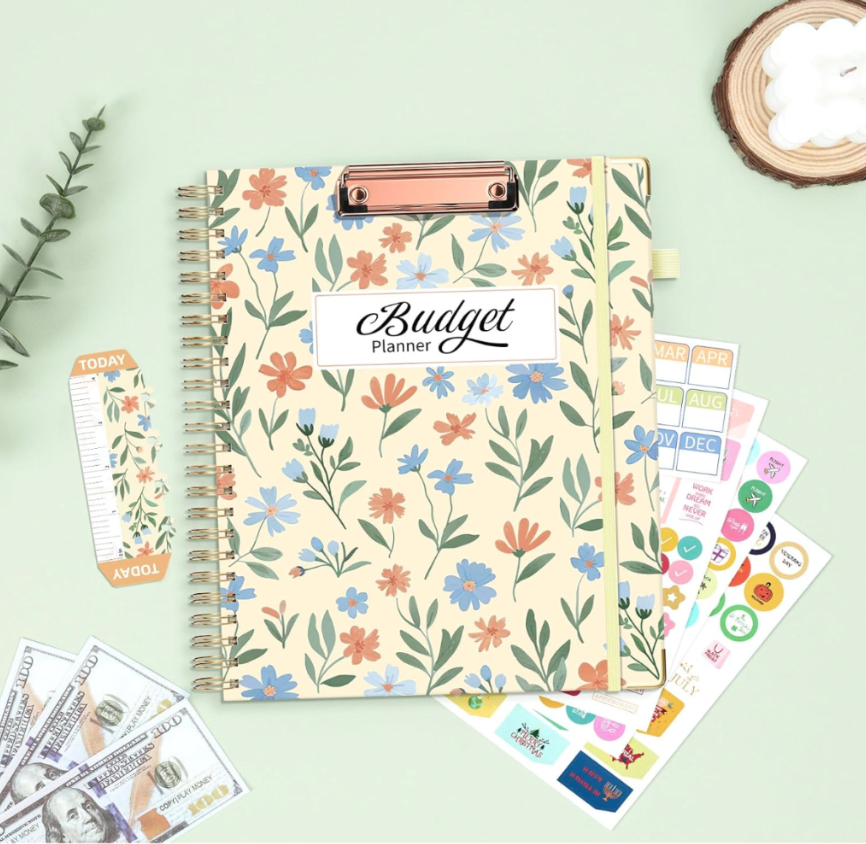
A physical budget planner can make this system click. Writing things down once a month keeps you accountable without the screen time.View budget planner.